Everything About Oil Field Equipment and Pipeline Equipment: Secret Insights and Necessary Info
Oil field equipment and pipeline systems play an essential role in the oil and gas market. They are necessary for the effective removal and transportation of hydrocarbons. Secret elements, such as drilling rigs and tank, straight impact functional success. Meanwhile, innovations in innovation assurance to boost safety and security and efficiency. Comprehending these components is important for anyone associated with or thinking about this intricate industry, as it sets the phase for deeper expedition of market techniques.
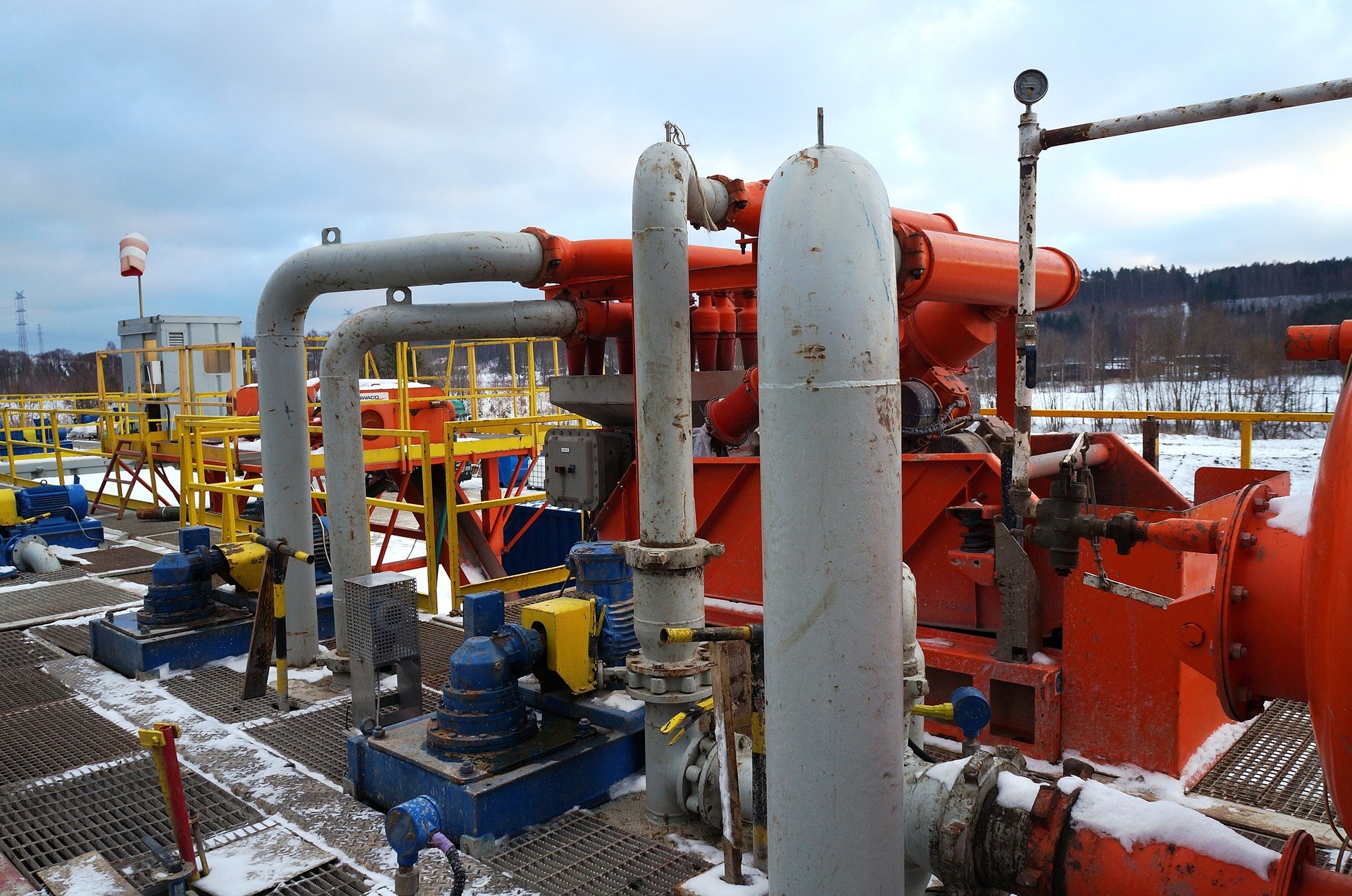
Overview of Oil Field Equipment
As the need for oil continues to expand, recognizing the equipment utilized in oil areas ends up being significantly necessary. Oil field equipment incorporates a vast array of machinery and tools essential for exploration, removal, and processing. Key components consist of drilling rigs, which are crucial for reaching oil storage tanks, and production devices, such as separators and pumps, that promote the extraction procedure. Superior Oilfield Rentals. In addition, storage space containers play a considerable duty in holding crude oil before transportation. Safety and security tools, including blowout preventers and stress assesses, guarantees operational safety and performance. Each tool functions cohesively to maximize manufacturing and keep efficient workflow. Experience with this tools is very important for professionals in the market to assure effective operations and adherence to safety standards
Kinds of Drilling Rigs and Their Applications
Drilling rigs function as the foundation of oil removal operations, with different types made for certain geological conditions and operational needs. The most typical types include rotating exploration rigs, which make use of a rotating drill little bit to penetrate the planet, and cable television tool rigs, known for their percussion drilling approach. For offshore operations, jack-up rigs and semi-submersible rigs provide security and support in marine environments. In addition, directional drilling rigs enable operators to pierce at angles, reaching deposits that are not up and down obtainable. Each rig kind has special advantages, optimizing efficiency and safety based on the exploration environment. Picking the ideal gear is crucial for optimizing source removal while lessening environmental impact and functional costs.

Necessary Pipeline Equipment and Their Features
Pipeline facilities is necessary for the transportation of oil and gas from extraction websites to refining facilities and end-users. Different crucial equipment components promote this procedure. Pipelines themselves act as the main conduits, made to withstand high stress and corrosive substances. Pump stations are crucial for keeping circulation by increasing stress along the pipeline. Valves play an essential function in controlling flow and separating why not find out more sections for maintenance. Additionally, fittings and connectors assure safe and secure joints in between pipeline sections. Keeping track of systems, consisting of circulation meters and pressure sensors, are essential for finding leaks and optimizing circulation rates. Pigging equipment is employed for upkeep and cleansing, guarding pipeline honesty and effectiveness. Together, these components form the backbone of a trustworthy pipeline system.
Advancements and Technologies in Oil and Gas Equipment

Safety And Security and Maintenance Practices in the Oil Sector
While the oil industry has made significant strides in innovation and efficiency, the importance of durable safety and maintenance methods can not be overemphasized. Efficient safety and security methods are vital to secure employees and the environment, decreasing the danger of crashes and spills. Regular inspections and maintenance of tools assistance determine possible issues before they intensify, ensuring functional honesty. Educating programs for staff members are vital, highlighting the importance of security understanding and emergency situation response treatments. Additionally, adherence to industry guidelines and standards promotes a culture of safety. Executing innovative surveillance technologies can further enhance maintenance practices, permitting real-time analyses of tools conditions. Ultimately, focusing on safety and upkeep is integral to the sustainability and success of the oil industry.
Frequently Asked Concerns
What Are the Environmental Influences of Oil Field Equipment?
The ecological effects of oil field equipment include habitat damage, water contamination, visit this site and air pollution (Superior Rentals fusion machines). In addition, devices malfunction can result in spills, negatively influencing wild animals and ecological communities, highlighting the requirement for strict laws and monitoring
Just How Is Oil Field Equipment Delivered to Remote Locations?
Transporting oil field equipment to remote areas frequently entails customized vehicles, helicopters, or barges. Logistics business coordinate routes, making certain equipment arrives safely and effectively, taking into consideration terrain and access to reduce hold-ups and maximize performance.
What Regulative Requirements Govern Oil Field Equipment?
Regulatory standards regulating oil field equipment mainly include safety, environmental management, and functional efficiency guidelines. Agencies such as OSHA and EPA implement these guidelines to assure safe practices and decrease ecological influence in oil extraction operations.
What Abilities Are Needed to Run Oil Field Machinery?

How Do Oil Rates Influence Equipment Need and Use?
Oil costs substantially affect devices demand and use. Greater rates generally cause boosted expedition and production tasks, driving need for machinery. On the other hand, lower costs might result in lowered operations and lowered requirement for equipment.